

Table of Contents
- Deschutes County at a Glance: Geography, Climate, and Growth
- Deschutes County Cost of Living: What Your Budget Actually Looks Like
- Moving to Bend Oregon: Neighborhoods, Lifestyle, and What to Expect
- Moving to Redmond Oregon: More Space, Lower Prices, and a Growing Downtown
- Comparing Communities Beyond Bend: Sisters, La Pine, Sunriver, and Tumalo
- Housing and Real Estate: Buying, Renting, and What the Market Looks Like
- Bend Oregon Winter Preparation: What You Need Before the First Snow
- Wildfire Risk, Smoke, and Drought: Climate Realities in Central Oregon
- Employment, Remote Work, and the Local Economy
- Healthcare, Emergency Services, and Everyday Infrastructure
- Outdoor Recreation and Public Lands: Why People Move Here
- Your Moving Timeline: A Step-by-Step Checklist for Deschutes County
- Conclusion: Making Deschutes County Home
- Frequently Asked Questions
Last Updated: October 9, 2026
Deschutes County at a Glance: Geography, Climate, and Growth
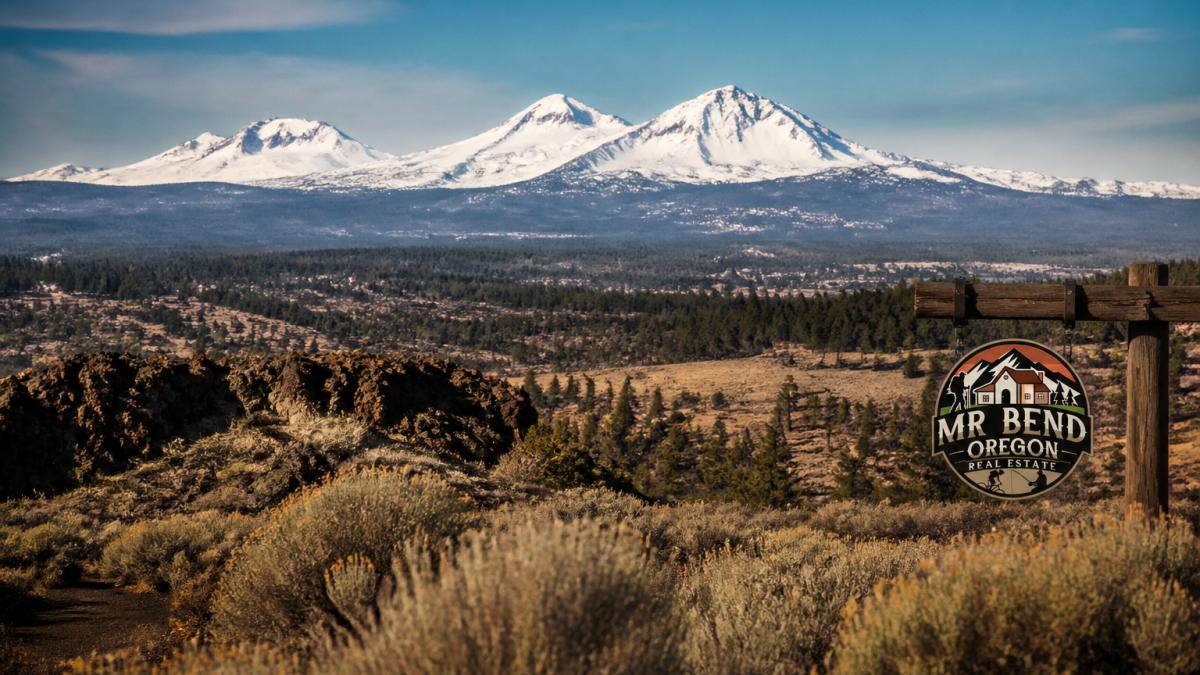
Deschutes County is a high desert county in Central Oregon, covering roughly 3,000 square miles of volcanic landscape, juniper woodland, and Cascade foothills, with the Deschutes River running through its center.
That growth cuts both ways. More services, more restaurants, more healthcare than a county this size had a decade ago. Also more traffic on Highway 97, tighter housing supply, and a rental market that rewards people who plan ahead.
High Desert Setting and Seasonal Weather
The high desert setting means elevation matters more than latitude here. Bend sits around 3,600 feet, and the surrounding terrain climbs from there.
A common mistake newcomers make is assuming all of Deschutes County gets the same weather. It does not. Sunriver and the Cascade foothills see considerably more snow than Redmond or Terrebonne, and La Pine runs colder at night.
Population Growth and What It Means for New Residents
Deschutes County has ranked among the fastest-growing counties in Oregon for much of the past two decades, and the county population continues to climb.
For new residents, the takeaway is simple. Establish your housing situation before you commit to a job or a school district. Inventory moves quickly in the spring and summer, and the rental market is tight enough that arriving without a plan costs people weeks.
Deschutes County Cost of Living: What Your Budget Actually Looks Like
Deschutes County cost of living runs above the national average, and the reason is almost entirely housing. Groceries, fuel, and everyday retail land close to what you would pay in most Western metros.
We tell every relocating household the same thing: build your budget around housing first, then work backward. A household that can absorb Bend prices comfortably may find Redmond or La Pine leaves room for savings, a larger lot, or a shorter commute trade-off.
The Line Items That Actually Move Your Budget
| Budget Category | What Drives It | Where You Feel It Most |
|---|---|---|
| Housing | Purchase price or rent, driven by supply and location | Bend and Sunriver highest, La Pine and rural areas lowest |
| Property taxes | Assessed value, local levies, and which taxing districts your address sits in | Varies by jurisdiction and district, not by countywide rate |
| Utilities | Heating and cooling load, elevation, home age, and whether you are on a municipal system or a well | Higher in foothill communities with longer winters; rural properties add well and septic costs |
| Transportation | Commute distance, fuel, vehicle wear, and winter tire or traction-device needs | Rural addresses add daily driving and seasonal vehicle costs |
| Insurance | Wildfire risk rating for the property and its distance from a responding fire station | Properties near wildland areas pay more, and some require specialty coverage |
| Moving and setup | Distance, timing, and whether you need temporary housing | Summer moves cost more and book out earlier |
Property Taxes: Why Two Homes a Few Miles Apart Differ
Property taxes in Deschutes County are not set by a single countywide rate. Your bill is the product of your property’s assessed value and the levies of every taxing district your address falls inside, which can include the county, a city, a school district, a fire district, a library district, a park and recreation district, and others.
A practical habit for buyers: pull the assessor’s record for any specific property you are serious about and look at the actual tax statement rather than assuming a rate. The county assessor’s office publishes property records you can search by address.
Utilities: Heating, Water, and the Rural Premium
Utilities deserve their own line because heating costs surprise people. A high desert winter means real heating demand from November through March, and homes at higher elevation or with older insulation cost more to keep comfortable.
Water and sewer change the math depending on where you land. Inside Bend, Redmond, and Sisters, most homes connect to municipal water and sewer.
Transportation and the Cost of Distance
Transportation is the quiet budget line in a county this spread out. Highway 97 is the spine of the region, and living north or south of Bend means a highway drive most days.
If you are weighing a rural property against a home in town, run the numbers on the extra miles before you fall in love with the acreage.
Insurance: Get the Quote Before the Offer
Insurance is the line item most likely to surprise an out-of-state buyer. Wildfire risk rating directly affects both the availability and the cost of coverage, and some properties near wildland areas require a specialty policy or a state-backed option when the standard market will not write them. The practical rule is simple: get an insurance quote on a specific address before you remove contingencies, not after.
Moving and Setup Costs
Relocation costs themselves vary with distance, volume, and timing. Summer is the busiest moving season here, and movers and truck rentals book out earlier and cost more in June through August. If your move overlaps with that window, reserve early. Budget separately for the setup costs that follow a move: utility deposits and connection fees, vehicle registration and driver’s license updates, snow removal arrangements if your property needs them, and any immediate repairs the inspection turned up.
Pro Tip
Build your budget in this order: housing, then taxes and insurance on the specific address, then utilities and transportation, then moving and setup. Buyers who reverse that order and start with the fun categories tend to be the ones surprised at closing.
Build your budget in this order: housing, then taxes and insurance on the specific address, then utilities and transportation, then moving and setup. Buyers who reverse that order and start with the fun categories tend to be the ones surprised at closing.
If you want to see how these numbers play out block by block in the areas buyers ask about most, our neighborhood tours walk through the communities where the trade-offs are sharpest.
Moving to Bend Oregon: Neighborhoods, Lifestyle, and What to Expect
Moving to Bend Oregon means choosing between distinct parts of one city, and the differences are bigger than the map suggests. The westside puts you close to the river trail, downtown, and older tree-lined streets.
Lifestyle follows the same split. Westside living means you can walk to dinner. Eastside living usually means you drive, but you get more house for the money and a shorter route out of town toward the high lakes.
Pro Tip
If you work remotely and visit Bend only occasionally before moving, spend a weekday morning driving your intended commute route. Bend traffic concentrates on a handful of corridors, and a neighborhood that looks five minutes from everything on a weekend map can feel very different at 8 a.m. on a Tuesday.
If you work remotely and visit Bend only occasionally before moving, spend a weekday morning driving your intended commute route. Bend traffic concentrates on a handful of corridors, and a neighborhood that looks five minutes from everything on a weekend map can feel very different at 8 a.m. on a Tuesday.
For a closer look at specific streets and what daily life feels like block by block, our neighborhood tours walk through the areas buyers ask about most.
Moving to Redmond Oregon: More Space, Lower Prices, and a Growing Downtown
Moving to Redmond Oregon appeals to buyers who want Bend’s access without Bend’s price tag.
The trade-offs are real and worth naming. Redmond runs warmer and drier than Bend in summer, wind is more noticeable, and the commute south adds up if you work in Bend five days a week.
Investors we work with often start in Redmond for exactly this reason. Entry points are lower, rental demand from the regional workforce is steady, and the downtown investment trend has been moving in one direction.
Comparing Communities Beyond Bend: Sisters, La Pine, Sunriver, and Tumalo
The countywide comparison most relocation guides skip is the one that matters most: what the smaller communities actually offer. Bend gets the attention, but Sisters, La Pine, Sunriver, and Tumalo each solve a different problem.
Sisters sits northwest toward the Cascades and leans on tourism, with a western-themed downtown, cooler summers, and a small-town pace. La Pine anchors the south county with the most affordable entry points in the region and a genuinely rural feel, though services are thinner and winter is longer.
| Community | Character | Best For | Trade-Off |
|---|---|---|---|
| Bend | Largest city, full services, walkable core | Buyers who want amenities and a city feel | Highest prices in the county |
| Redmond | Growing downtown, airport, more land | Buyers who want space and value | Warmer, windier, commute to Bend |
| Sisters | Small town, tourism, Cascade access | Buyers who want quiet and scenery | Limited inventory and services |
| La Pine | Rural, affordable, south county | Budget-focused and rural buyers | Longer winters, fewer services |
| Sunriver | Resort community, recreation-focused | Vacation and second-home buyers | HOA rules and resort pricing |
| Tumalo | Rural, close to Bend | Buyers who want acreage near town | Limited inventory, well and septic common |
Best For
Buyers who want a Bend address but not a Bend budget should look at Redmond first. Buyers who want acreage and do not mind a longer winter should look at La Pine and Tumalo.
Buyers who want a Bend address but not a Bend budget should look at Redmond first. Buyers who want acreage and do not mind a longer winter should look at La Pine and Tumalo.
Housing and Real Estate: Buying, Renting, and What the Market Looks Like
Housing in Deschutes County is a supply story.
Renters face the same pressure. Rental inventory is limited, vacancy is low, and landlords can be selective. If you are relocating for work and need a place before you buy, start your rental search earlier than you think necessary.
For buyers, the practical sequence looks like this:
- Get pre-approved before you look at listings, not after.
- Decide your community and neighborhood shortlist first, since inventory is thin enough that you cannot browse the whole county effectively.
- Understand that rural properties often involve wells, septic systems, and access easements that a standard city purchase does not.
- Budget for wildfire risk insurance and confirm insurability early on any property near wildland areas.
- Plan for competition on well-priced homes, and be ready to move fast when the right one appears.
A common mistake out-of-state buyers make is applying a slower market’s timeline. In a competitive stretch here, waiting a week to decide on a home you like often means someone else already did.
Bend Oregon Winter Preparation: What You Need Before the First Snow
Bend Oregon winter preparation comes down to three things: your vehicle, your home, and your expectations. Snow typically arrives in late fall and lingers into early spring, and the county’s elevation means winter hits harder than the valley to the west.
On the vehicle side, winter tires or all-weather tires with good tread make more difference than four-wheel drive alone, and keeping chains or traction devices in the car is standard practice for anyone driving into the mountains.
Watch Out
Do not assume the previous owner’s snow removal arrangement transfers to you. Rural and foothill properties often rely on a private plow service with a waiting list, and homeowners who call in December frequently wait weeks for service.
Do not assume the previous owner’s snow removal arrangement transfers to you. Rural and foothill properties often rely on a private plow service with a waiting list, and homeowners who call in December frequently wait weeks for service.
Wildfire Risk, Smoke, and Drought: Climate Realities in Central Oregon
Wildfire risk, smoke, and drought are the climate realities that relocation marketing rarely mentions, and they should factor into where you buy.
Smoke is the more frequent disruption.
Drought shapes the long view. Water resources in the region are managed carefully, and rural properties relying on wells or shared water systems need their water rights and supply checked before purchase.
Employment, Remote Work, and the Local Economy
The local economy rests on healthcare, tourism, outdoor recreation, construction, and a growing remote-work population. St.
Remote work changed the math here. Households that bring out-of-state salaries with them can afford housing that local wages struggle to reach, and that dynamic has pushed prices up across the county.
For commuters, Highway 97 is the spine of the region. Living north or south of Bend means a highway drive, and winter conditions on that route are worth experiencing before you commit to a daily commute.
Healthcare, Emergency Services, and Everyday Infrastructure
Healthcare access is one of the most under-covered topics in relocation guides for this county, and it is one of the first things new residents ask about once they are here. The short version: care is concentrated in Bend and Redmond, and how much driving you do for it depends entirely on where you choose to live.
Where Care Is Concentrated
Bend is the regional hub. St. Charles Medical Center in Bend is the county’s primary hospital and among its largest employers, and the largest concentration of primary care providers and specialists practices in and around the city.
The smaller communities, Sisters, La Pine, Sunriver, and the rural areas, depend on clinics for routine and urgent needs and make the drive to Bend or Redmond for anything specialized.
Specialty Care and the Travel Reality
For advanced or highly specialized care, residents of this region often travel to Bend first and to larger metro areas outside the county for procedures that are not available locally.
A practical step before you commit to a community: identify the providers you will actually need, primary care, a pediatrician if you have children, any specialist you see regularly, and confirm they are accepting new patients and are within a drive you are willing to make on a routine basis.
Emergency Services and Rural Response
Emergency services follow the same geographic pattern as healthcare. Fire and medical response is strong in incorporated areas, Bend, Redmond, and Sisters, where stations and staffing are concentrated. Response can be slower in rural parts of the county, and the difference is measured in minutes that matter in an emergency.
This is a legitimate factor in rural buying decisions, and we raise it with every buyer looking at acreage.
Utilities, Broadband, and Cell Coverage
Everyday infrastructure has kept pace unevenly across the county. Inside city limits, municipal water, sewer, and utilities are the norm. Outside them, properties frequently rely on a private well and a septic system, and sometimes on propane rather than natural gas.
Broadband and cell coverage vary by address, and this is one of the most common surprises for remote workers.
Watch Out
Do not take a listing’s internet claim at face value. Call the providers that serve the address and confirm the technology and speed tier before you remove contingencies. Remote workers who skip this step sometimes discover the gap after closing.
Do not take a listing’s internet claim at face value. Call the providers that serve the address and confirm the technology and speed tier before you remove contingencies. Remote workers who skip this step sometimes discover the gap after closing.
Schools and Service Districts
Schools and service districts are part of the same infrastructure picture. School district boundaries do not always follow city limits, so a home with a Bend mailing address is not guaranteed to be in the Bend-La Pine district, and rural addresses can fall into districts based at a distance.
Service districts, fire, water, sewer, library, park and recreation, also vary by address, and which ones you sit inside affects both your property tax bill and the services you actually receive.
Key Takeaway
For rural buyers, the three questions that matter most are: how far is emergency response, what does the property use for water and sewer, and what internet and cell service is actually available at the address. Get answers to all three before you make an offer.
For rural buyers, the three questions that matter most are: how far is emergency response, what does the property use for water and sewer, and what internet and cell service is actually available at the address. Get answers to all three before you make an offer.
Outdoor Recreation and Public Lands: Why People Move Here
Outdoor recreation is the reason most people cite for the move, and the access is genuinely exceptional.
The list of what is available within an hour is long: skiing and snowboarding at Mt.
The catch is crowding. Trailheads that were quiet a decade ago now fill early on summer weekends, and permits are required for some popular areas.
U.S. Forest Service recreation and permit information for the Deschutes National Forest
Your Moving Timeline: A Step-by-Step Checklist for Deschutes County
A realistic relocation timeline runs three to six months, and the order of operations matters more than the speed. Here is the sequence we walk clients through.
Months 3-6 before the move:
- Research communities and narrow to two or three that fit your budget and lifestyle
- Get pre-approved for financing if you plan to buy
- Check wildfire risk and insurance insurability on any rural property you are serious about
- Start watching inventory in your target areas to calibrate expectations
Months 1-3 before the move:
- Schedule a visit that includes a weekday, not just a weekend
- Tour neighborhoods in person and drive your likely commute
- Line up rental housing if you are not buying immediately
- Arrange utility connections and confirm broadband and cell coverage at your address
Final month:
- Confirm movers or truck rental, and book early for summer dates
- Transfer vehicle registration and insurance requirements for Oregon
- Set up snow removal if your property needs it
- Schedule a home inspection and confirm insurance before closing
First month after arrival:
- Register your vehicle and update your driver’s license
- Set up healthcare providers, especially if you need a specialist
- Learn your school district boundaries if you have children
- Get your heating system serviced before winter
Key Takeaway
The single highest-value step in this timeline is visiting on a weekday in the season you are most worried about. A January visit tells you more about winter than any listing photo ever will.
The single highest-value step in this timeline is visiting on a weekday in the season you are most worried about. A January visit tells you more about winter than any listing photo ever will.
Conclusion: Making Deschutes County Home
The challenge with relocating here is not deciding whether Deschutes County fits your life. It is choosing which part of it does, and doing so before the right property is gone. Prices, neighborhoods, and winter conditions vary enormously across a county that spans desert, river canyon, and alpine foothills.
That is the work we do at I Sell Bend Oregon. Bend Oregon, and our family-led team have more than 30 years of local experience, deep knowledge of Bend and Redmond neighborhoods, and relocation services built for out-of-state buyers who need someone to translate a market they cannot read yet.
Start your search with I Sell Bend Oregon and get a clear picture of where you actually want to live before you commit.
Frequently Asked Questions
What is the cost of living in Deschutes County, Oregon?
The Deschutes County cost of living runs above the national average, driven mainly by housing. Groceries, utilities, and healthcare sit close to national norms, but home prices and rents in Bend push the overall figure higher. Redmond and La Pine offer lower entry points. Budget carefully for housing first, then factor in winter heating, wildfire insurance, and higher transportation costs if you commute between towns.
What should I know before moving to Bend or Redmond?
Bend offers a walkable downtown, strong dining, and quick access to trails and Mount Bachelor, but home prices reflect that demand. Redmond provides more square footage for your money, a growing downtown, and an easier commute to the airport. Visit both in different seasons, check commute times to your workplace, and talk to locals about neighborhood character before you commit to either.
What is winter like in Deschutes County?
Winters bring snow, ice, and temperatures that drop well below freezing, especially from December through February. Bend averages several feet of snow each season, and mountain passes can close during storms. Bend Oregon winter preparation means snow tires or all-wheel drive, a snow shovel, ice melt, and a plan for power outages. Many residents embrace the season with skiing, snowshoeing, and fat biking.
How do I choose a community in Deschutes County?
Start with your priorities: budget, commute, schools, and lifestyle. Bend suits buyers who want urban amenities and are comfortable with higher prices. Redmond works well for families wanting more space. Sisters appeals to those seeking a small-town feel, while La Pine and Sunriver offer rural living and vacation-style settings. Spend a weekend in each before deciding, and consider renting first if you are unsure.
Should I worry about wildfire risk when moving to Deschutes County?
Wildfire risk is real in Central Oregon, and smoke can affect air quality for weeks in summer. Check a property’s wildfire hazard zone before buying, ask about defensible space, and review insurance availability early since some insurers restrict coverage in high-risk areas. Many homes in town face lower risk than rural properties, but every buyer should understand evacuation routes and emergency alerts.
How can I prepare for wildfire smoke and seasonal conditions in Central Oregon?
Plan for smoke season by keeping a supply of N95 masks, a portable air purifier, and extra furnace filters on hand. Seal windows and doors during heavy smoke events. For winter, stock ice melt, a snow shovel, and emergency supplies for power outages. Summer brings dry heat and fire restrictions, so check local burn bans and water-use rules before outdoor projects.